
04 · Solutions
AI-enabled ERP & Operations
Consistent order, inventory and finance data makes decisions reliable.

Key answer
Add forecasting, anomaly detection and automation on top of your existing ERP across procurement, inventory, fulfilment and financial close.
The most practical operations starting points are demand forecasting, replenishment recommendations and exception detection on documents. All three can be validated without replacing the ERP.
Outcomes
- Forecasting and replenishment embedded in daily routines
- Earlier detection of procurement and payables exceptions
- One consistent definition for cross-system reporting
- Shorter close cycle measured against your baseline
What we deliver
- Operational data integration
- Forecasting and anomaly models
- ERP interface and workflow changes
- Operations dashboards
Who it is for
- Manufacturing and distribution
- Multi-warehouse retail
- Project-based service firms
Typical timeline
10–20 weeks
How it works: the five S.M.A.R.K. stages
- S
Scan
Assess data, processes, systems and risk to establish an objective baseline.
Current-state report and readiness scoring
- M
Map
Prioritize use cases and tie each one to a measurable operating outcome.
Prioritized transformation roadmap
- A
Activate
Validate with a contained pilot, then implement once it holds up.
A validated working solution
- R
Reconnect
Integrate CRM, ERP, commerce and internal workflows so AI lands in daily operations.
Integrated operating processes
- K
Keep improving
Track adoption and outcomes, establish a governance cadence, and scale the capability.
A continuous improvement mechanism and quarterly review
Evidence
Related delivery records
These are historical system implementation records. They are systems integration work, not AI deployments or proven AI outcomes.
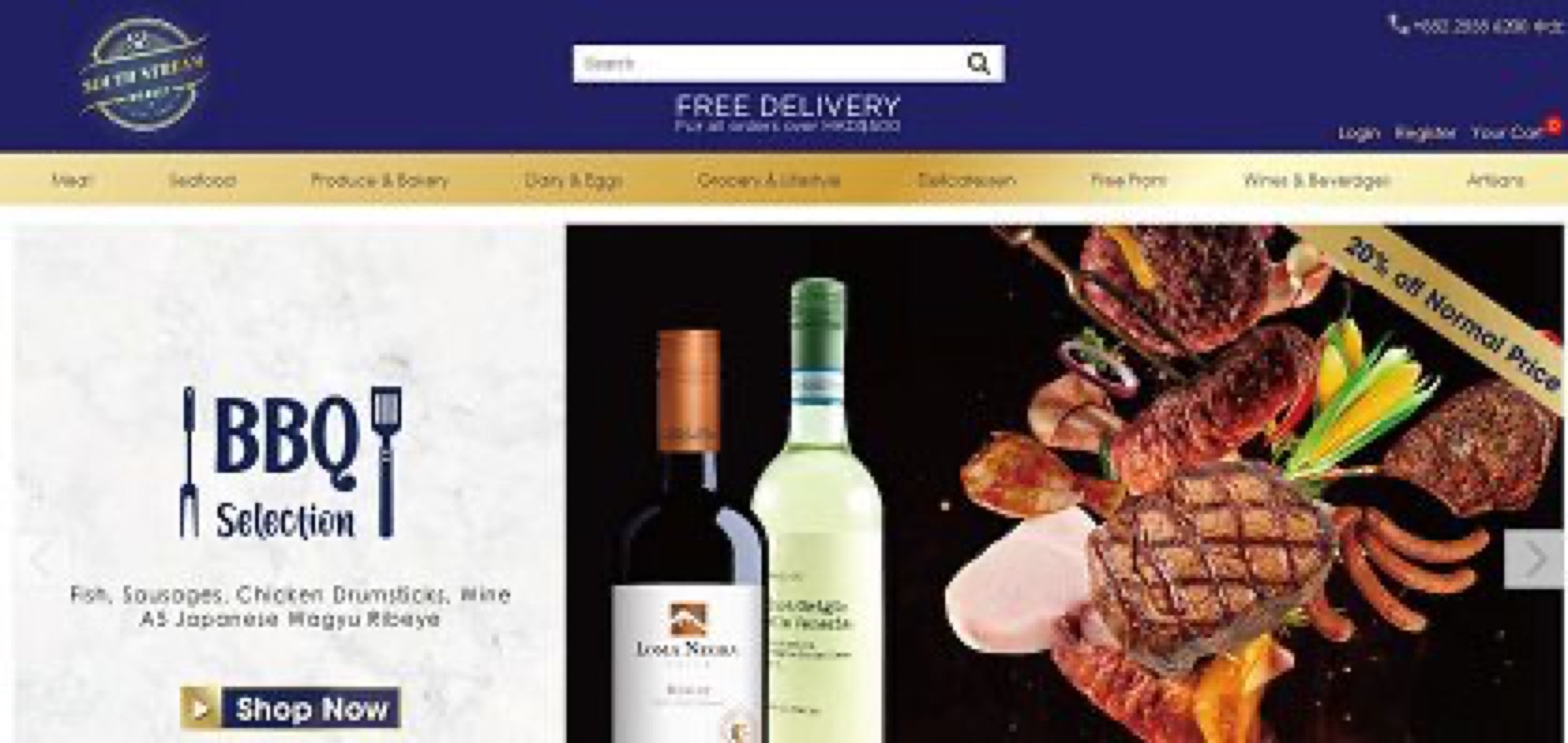
South Stream Market
Online shop to warehouse and logistics integration
Launched on 5 July 2017, connecting the online shop with inventory, batch, expiry-date, variable-weight order and logistics processes.
Learn more
CityLink
POS, warehouse, logistics and membership app integration
A cross-channel system project launched on 1 June 2018, spanning POS, warehouse, logistics, membership, in-app purchase, WhatsApp order confirmation and coupon functions.
Learn more
CityU VMC / Vet Boutique
POS, warehouse, logistics and e-commerce
A recorded retail and e-commerce systems integration for CityU VMC / Vet Boutique, spanning POS, warehouse and logistics.
Learn moreFrequently asked questions
Related insights
Latest insights
When management sees different sets of figures, how can purchasing, delivery and budgets be decided?
Different versions of revenue, order and inventory figures affect management decisions. Start with a pair of reports and check definitions, timing and sources so owners, CFOs and operations leads can validate a discrepancy list before assessing expansion.
Learn moreConnecting AI to CRM and ERP without replacing them
Starting with an integration layer and master-data discipline delivers faster than a full replacement.
Learn moreAI Agent Workflow Automation: From Pilot to Governance
An AI agent can execute multi-step work automatically, which also means it can execute multi-step mistakes automatically. This guide covers the safe path from pilot to governed scale.
Learn moreIntegrating AI with CRM and ERP Without Replacing Core Systems
Most enterprises do not need to rip out their CRM or ERP to adopt AI. What they need is a clear integration path, a data cleanup plan and an interface strategy.
Learn moreThe One-Person Company’s First AI Team: Three Practical Workflows
The greatest constraint in a one-person company is not headcount. It is having to remember, decide and restart every kind of work with the same brain.
Learn morePTSGLS smart and green logistics training funding: AI and automation courses
How logistics practitioners claim a course-fee refund for pre-approved smart logistics, AI and automation courses, including the four-month deadline.
Learn moreRelated solutions
Six ways we deliver

AI Transformation Strategy & Readiness
See the current state clearly before committing budget.
Learn more
AI Office and Workflow Automation in Hong Kong
Bring repetitive tasks, decision criteria and review responsibilities into one traceable workflow.
Learn more
AI-enabled CRM & Customer Experience
One customer record that both front line and marketing can trust.
Learn moreStart with an AI readiness session
Sixty minutes to review your systems, your most time-consuming processes and your goals — followed by initial observations and a suggested scope.